
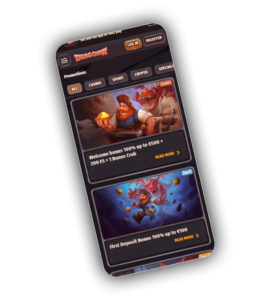
For New Zealand adults, a large casino lobby can be useful only when its categories help you make clear choices rather than encourage random browsing. The official dragonia site presents several ways to explore, including game type, software provider, popularity, new releases and feature-based collections. This makes it possible to narrow the selection before opening a title, while remembering that availability, rules and game-provider restrictions may vary by location. A practical approach is to match the game format to the kind of experience you want, then inspect the title itself.
Start with the type of game you actually want
The simplest way to explore a large lobby is to decide whether you want a game based mainly on reels, traditional table play, live interaction or a faster, simpler format. Video slots are generally built around spinning reels and changing themes, while instant games often use a more compact interface and may resolve a round quickly. Table games provide familiar formats such as roulette, blackjack, baccarat and dice, but the rules and available variants can differ substantially between titles.
Live casino games add a streamed dealer and a table-style presentation. The available sections include roulette, blackjack, baccarat, game shows, poker and other formats, with some tables aimed at players who prefer a more social or realistic atmosphere. This does not make the outcome more predictable than a digital version. It simply changes the presentation, pace and interaction around the game, so your choice should depend on the experience you prefer rather than an assumption that live play offers better results.
Jackpot games and game shows form another useful distinction. Jackpot collections can appeal to players who want a prominent prize feature, while game shows may focus on rounds, bonus stages or presenter-led entertainment. These labels describe the style of play, not a promise of a particular return. Before choosing, look at the title’s information panel for rules, paylines, bonus mechanics and any stated limits. A category is a starting point, not evidence that one game is more suitable than another.

Use filters to reduce the lobby without losing context

Filters are most helpful when used in layers. Begin with a broad category such as slots, table games or live casino, then narrow by provider or collection if the lobby allows it. Other available labels include new, popular, exclusive and feature-based groupings. This can turn hundreds of visible titles into a manageable shortlist, but it is worth remembering that “popular” reflects presentation or player interest, not a guarantee of quality or favourable outcomes.
Provider filters are useful for people who recognise a particular studio’s design style or game mechanics. The directory includes names such as Pragmatic Play, Playtech, Hacksaw Gaming, Spinomenal, Amusnet, Novomatic, Playson, Yggdrasil, Quickspin, Thunderkick and Play’n GO, among others. Studios may use different interfaces, bonus structures and visual conventions. However, a familiar provider does not mean every title follows the same rules, so inspect each game rather than relying only on the logo.
Feature filters can be especially valuable when you already know what you want to see. You might look for jackpots, cascading symbols, bonus rounds, game shows or other mechanics, then compare a few titles within that group. Keep the shortlist small enough to evaluate properly. If a filter produces a long list, add a second condition instead of opening games at random. This makes browsing more deliberate and helps prevent attractive artwork or promotional placement from making the decision for you.
What can a demo round tell you?
Selected titles offer demo play, including visible examples such as Gates of Olympus 1000, Big Bass Splash, Lord of the Ocean, Sugar Rush 1000, Crime King 1000, Double Lucky Clovers and Wild Hot 40. A demo can help you understand the controls, reel layout, symbols and bonus features without committing funds. It is a practical way to decide whether the interface is clear and whether the pace suits your preferences.
Demo play has clear limits. A short sequence of simulated rounds cannot establish how frequently a feature will appear, confirm a long-term return figure or prove that a game is low or high volatility. Results in a brief session can look unusually favourable or unfavourable simply because the sample is small. Treat the demo as an orientation tool: use it to learn the mechanics, not as a test of whether the title will produce a profit.
Before moving beyond a demo, check the full information supplied for the individual game. Look for the paytable, winning combinations, bonus conditions, stake range and any stated return or volatility information. If the game does not explain an important feature clearly, choose another title or seek clarification. A demo may also differ from the real-money version in available stakes or presentation, so read the game and operator terms before making any decision involving money.
Compare slots, tables and live games on practical terms
Slots are usually the easiest category for quick discovery because themes, mechanics and feature labels make them visually distinct. They can nevertheless vary widely in pace, volatility, maximum stake and bonus design. A bright theme or large advertised jackpot tells you little about the underlying rules. Compare the paytable and feature explanation first, then decide whether the game is understandable enough to justify further attention.
Digital table games may be preferable when you want a recognisable ruleset and a more structured choice between different bets. Roulette, blackjack, baccarat and dice each require a different understanding of outcomes and available options. Live tables add a dealer, streamed video and table limits, which may make the experience more immersive but can also make rounds feel slower. Check the table information before joining, especially where limits or variant rules are shown.
Game shows and jackpots can be entertaining alternatives, but their presentation should not obscure the underlying conditions. Ask what determines the result, how bonus rounds work and whether the game includes extra decisions or side features. For a balanced comparison, consider clarity, pace, interface quality and the amount you are prepared to spend—not just the headline prize. The New Zealand Department of Internal Affairs gambling information is also useful for understanding the wider local context, although it does not assess individual games.
Check availability before building a personal shortlist
A game shown in a lobby may not be playable for every account. The available material states that game access can depend on the player’s country and on restrictions imposed by individual software providers. That means a title can appear in a provider directory or collection without being available when you try to open it. Treat the visible catalogue as a guide to discovery rather than a guaranteed list of options.
Browser and device conditions can matter as well. The platform is designed for mobile-browser use, and the recommended browser is the latest version of Google Chrome. A title that works smoothly on a desktop may load differently on a phone because of screen size, connection quality or device compatibility. If a game fails to open, check whether the issue is temporary, browser-related or connected to location restrictions before assuming the title has been removed.
Availability can also change as providers update their catalogues. A useful shortlist should therefore include several comparable alternatives rather than one supposedly perfect choice. Save the names of a few games from the same category, note the provider and read the current information shown when each title opens. If an important rule, restriction or feature is unclear, rely on the stated game details or ask customer support. Do not assume that a previous visit or another player’s experience applies to your account.
Questions readers often ask about game discovery
Are popular games necessarily better?
No. A popular label may reflect visibility, current interest or the way the lobby is organised. It does not establish that a game has better odds, lower volatility or more suitable rules. Compare the paytable, mechanics, pace and stated information for yourself, and choose only a title you understand.
Can demo play prove that a game pays well?
No. Demo rounds are useful for learning controls and features, but a short session cannot measure long-term results or verify a game’s expected return. Outcomes vary from round to round. Use the demo to assess clarity and enjoyment, then read the full game information before deciding whether to continue.
Why might a listed game be unavailable?
Game access can depend on location, provider restrictions, browser compatibility and catalogue changes. A title may therefore appear in a collection but fail to open for a particular account. Try an alternative browser or device where appropriate, and check the current game information or ask support about the specific restriction.